Equipment Financing
The usual structure for machine tools a shop expects to run for decades.
Industries · Manufacturing
A machine tool sets the ceiling on what a shop can quote. Financing spreads its cost across the production it makes possible — rigging, tooling, and installation included.
The work
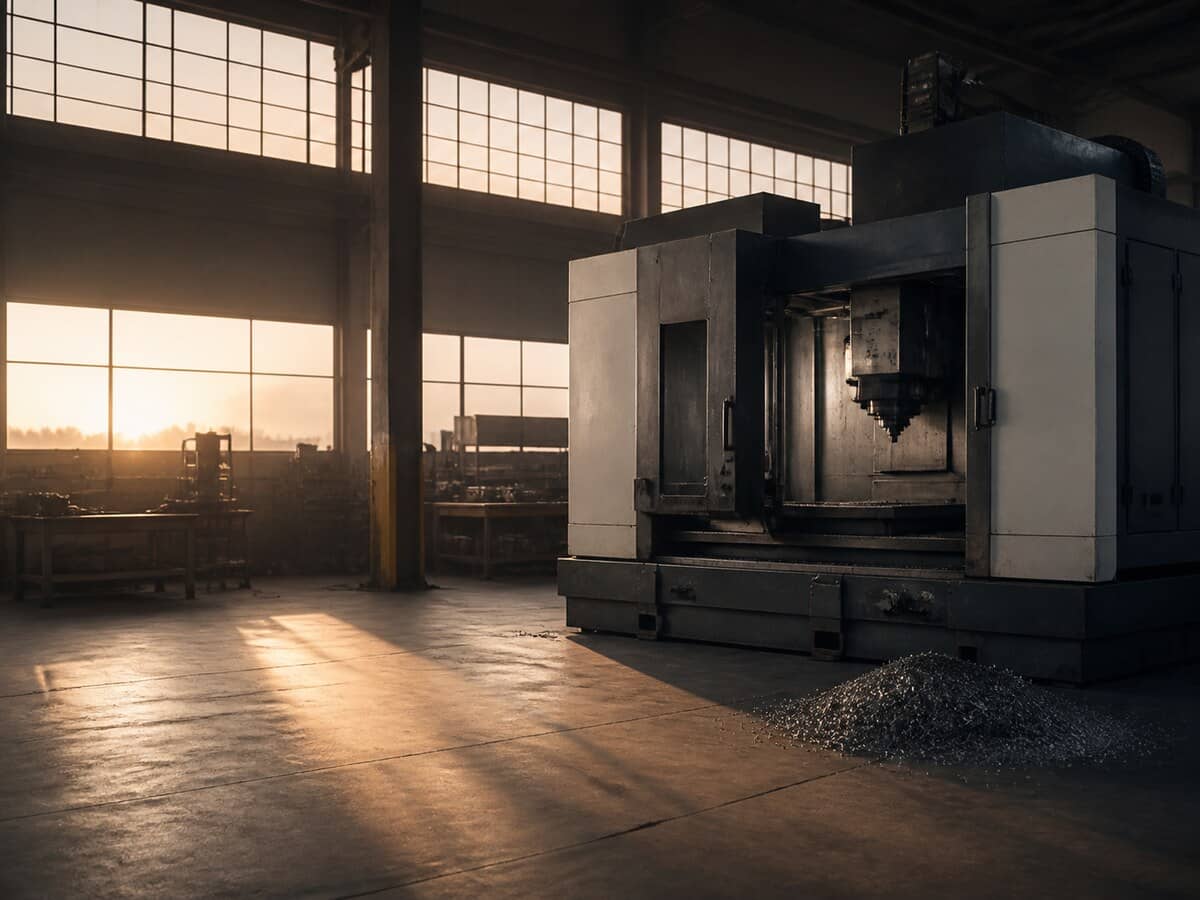
Manufacturing capacity is bought, not wished into place. A CNC machining center, a press brake, or an injection molding machine determines what a shop can take on, and replacing one involves lead time, rigging, foundation work, and operator training. The machines are precise and long-lived, and they often must be ordered before the contract that justifies them is signed.
Financing structures for manufacturing equipment include term loans on individual machines, leases timed to a technology cycle, and sale-leasebacks that pull working capital out of a paid-off floor. The soft costs that travel with a machine tool — rigging, installation, tooling, control software — are commonly included in the same request. Reviews typically weigh the machine's useful life, the shop's revenue history and customer mix, and how the new capacity sits against existing debt.
Eligible equipment
Structures
The usual structure for machine tools a shop expects to run for decades.
Fits automation and inspection equipment likely to be upgraded within a technology cycle.
Pulls working capital out of a paid-off floor to pay for tooling, hiring, or a new contract.
For complete production lines and plant expansions quoted as one project.
Qualification
Descriptive, not a promise — factors and weightings vary by file.
Checklist
Questions
Related industries
The calculators and the eligibility check show results on the page — no email required, no contact details collected. When the structure makes sense, the application asks for the equipment, the amount, and your timeline. Terms arrive in writing before anything is owed.