Equipment Financing
Standard for tractors and trailers an operator intends to own — the lien rides on the title until payoff.
Industries · Transportation
A truck earns by the mile and ages the same way. Financing in this industry follows the asset — model year, mileage, title — as closely as it follows the balance sheet.
The work
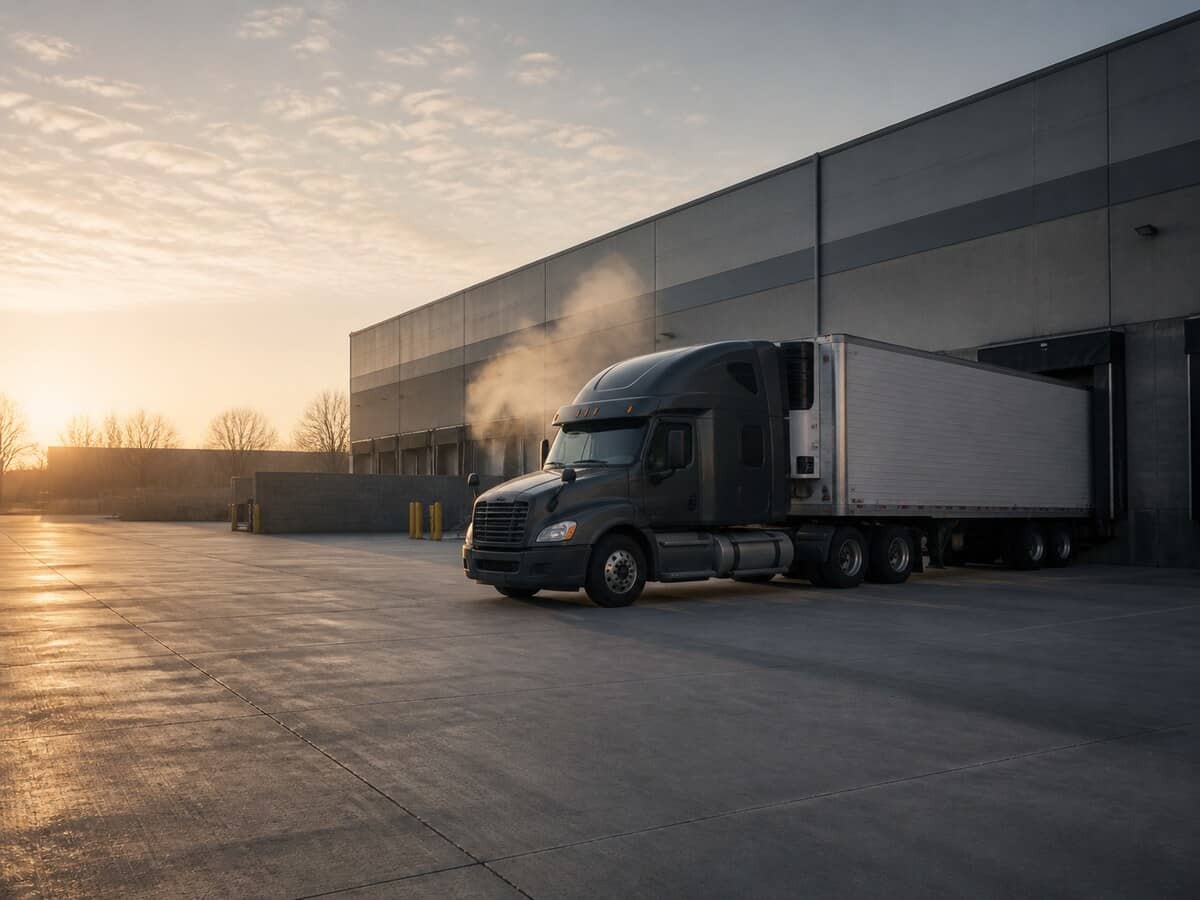
Freight runs on titled iron that depreciates by the odometer. Tractors, trailers, and straight trucks trade on well-established used markets, and every operator — from a single owner-operator to a hundred-unit fleet — replaces equipment on a cycle set by engine hours, warranty windows, and maintenance cost per mile. Refrigerated trailers add a second clock: the hours on the reefer unit itself.
Financing structures for transportation equipment include term loans on tractors and trailers, leases used by fleets that turn units on a fixed schedule, and sale-leasebacks on owned equipment. Because the assets are titled, the lien is recorded on the title rather than by UCC filing alone — a paperwork difference more than a structural one. Requests are typically reviewed against the unit's age and mileage, the operator's revenue history, and, for carriers, operating authority and insurance standing.
Eligible equipment
Structures
Standard for tractors and trailers an operator intends to own — the lien rides on the title until payoff.
Common for fleets that trade units on a fixed cycle and want the turn-in decision built into the term.
Raises working capital from owned units while they stay loaded and in service.
Qualification
Descriptive, not a promise — factors and weightings vary by file.
Checklist
Questions
Related industries
The calculators and the eligibility check show results on the page — no email required, no contact details collected. When the structure makes sense, the application asks for the equipment, the amount, and your timeline. Terms arrive in writing before anything is owed.