Financing · Sale-Leaseback
Raise capital on equipment you already own.
A sale-leaseback sells equipment you own for cash, then leases it back so it never leaves the yard. You get the capital and keep the machine working — and you give up the title.
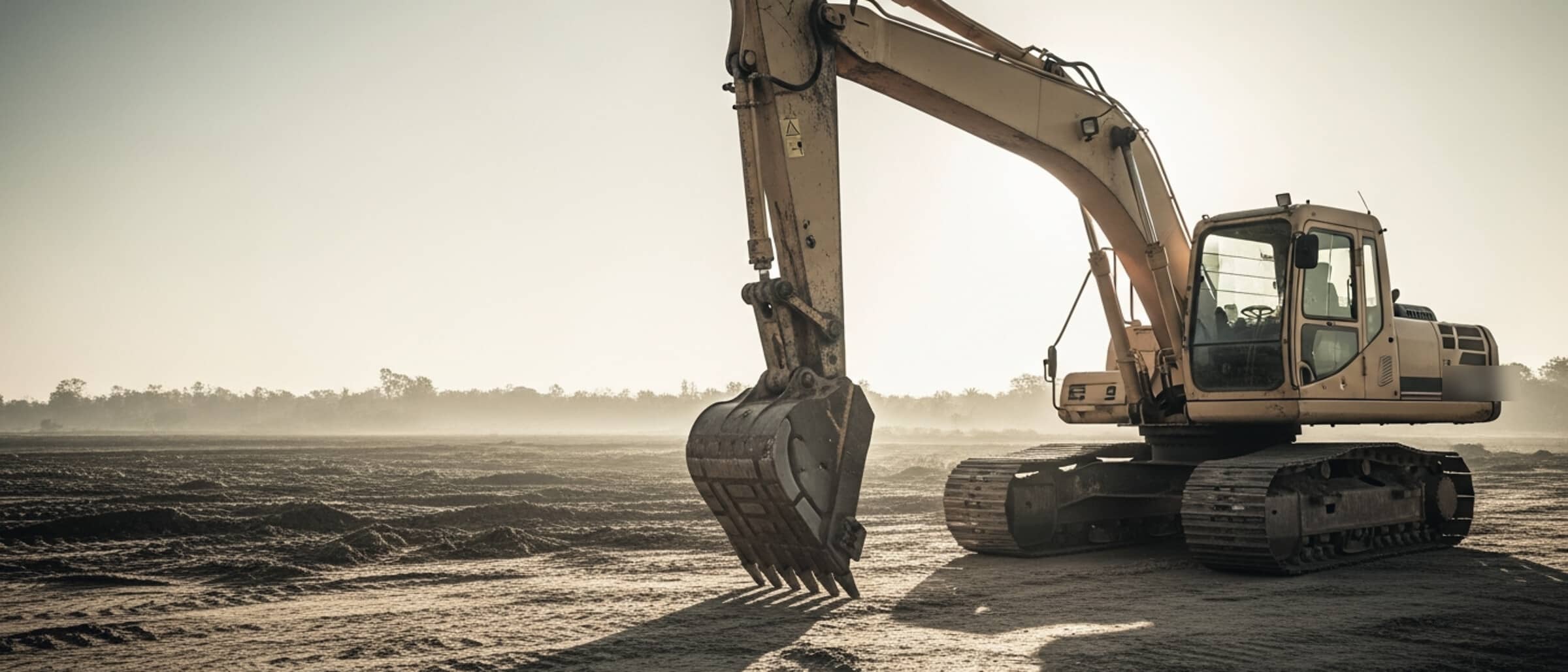
Overview
How sale-leaseback works
A sale-leaseback is two documents signed together. First, a bill of sale: a financing company buys equipment you own — trucks, trailers, yellow iron, plant machinery — at an agreed value, paying cash. Second, a lease: you lease the same equipment back on a fixed schedule and keep running it. Nothing physically moves. The title does.
The structure exists to convert equity into liquidity. Companies use it to bridge a slow season, mobilize on a new contract, retire expensive short-term debt, or put a down payment on more equipment. The equipment's earning power stays on your side of the ledger; ownership sits with the lessor until you exercise the end-of-term buyout.
Be clear-eyed about the trade. The purchase price is set by valuation — appraisal or market data — and it runs closer to auction value than to a dealer's asking price. The lease then prices like financing, varying with credit profile, equipment age, and term. You are paying for liquidity, and the total of payments will exceed the cash raised.
Process
Step by step
List the equipment
Make, model, year, hours or miles, serial numbers, and any existing payoffs. Clean, verifiable titles make the strongest candidates.
Set the value
An appraisal or desktop valuation establishes the purchase price. Expect a number tied to what the equipment would bring at sale — not what it cost new.
Review the terms
Purchase price, lease payment, term, and the end-of-term buyout all arrive in writing. The buyout deserves as much attention as the cash — it is the road back to title.
Close
Title transfers, existing liens are paid from the proceeds, the balance funds, and the leaseback schedule starts. The equipment keeps working through all of it.
Good fit
When it makes sense
- You own equipment outright — or close to it — and need working capital without selling machines off.
- The equipment has strong, verifiable resale value: late-model trucks, trailers, earthmoving machines, plant equipment.
- Revenue is coming, but the timing is off — a mobilization, a seasonal gap, a large receivable.
- Bank lines are committed, and the equity in the yard is the largest asset left to draw on.
- You need the machines earning through the whole transaction, not sitting in a listing.
Eyes open
Worth weighing
- You give up title. Until the buyout is exercised, the equipment belongs to the leasing company — you are the lessee on machines you used to own.
- The total of lease payments will exceed the cash received. That is the cost of liquidity; price it against the revenue the cash makes possible.
- Valuations run below retail. Expect a purchase price nearer auction value than the number a dealer would list.
- Default means losing equipment you once owned outright. Structure the payment so the downside is survivable.
- The sale itself can have tax consequences — depreciation recapture among them. Talk to your accountant before closing, not after.
Questions
Asked and answered
Run the numbers. Then decide.
The calculators and the eligibility check show results on the page — no email required, no contact details collected. When the structure makes sense, the application asks for the equipment, the amount, and your timeline. Terms arrive in writing before anything is owed.