Equipment Financing
Term debt secured by the machine — the standard route for iron a contractor plans to run through its full service life.
Industries · Construction
Excavators, cranes, and paving spreads earn on the job, not in the yard. This page covers how construction equipment is typically financed, what gets reviewed, and the documents to have ready.
The work
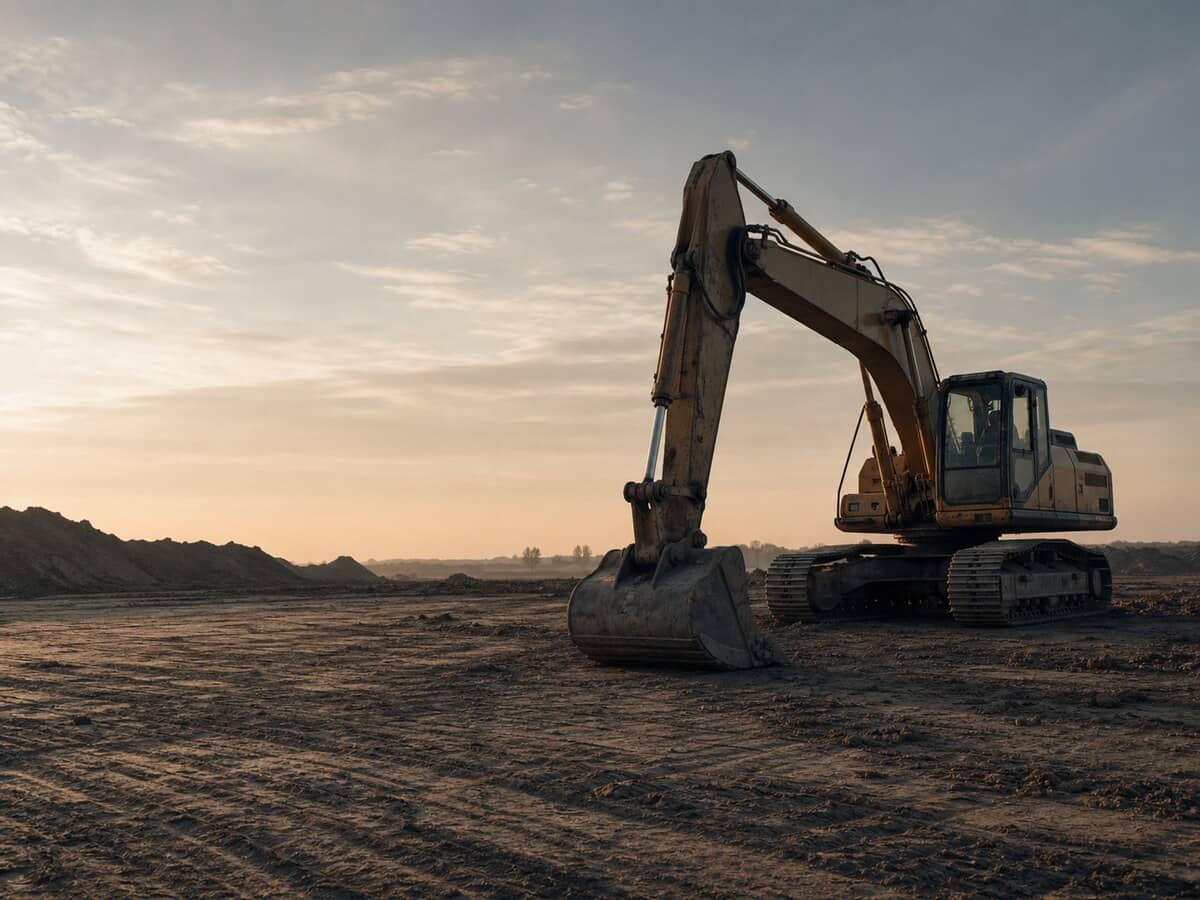
Construction is a machine-heavy trade. Excavators, loaders, dozers, and cranes carry the production schedule, and they are usually the largest capital items a contractor owns. The equipment ages in hours, not years — owners track engine hours and undercarriage wear the way accountants track depreciation. When a bid lands, the iron has to be on site by mobilization day whether or not cash is free to buy it.
Financing structures for construction equipment include term loans secured by the machine, leases with end-of-term options, and sale-leasebacks on iron a contractor already owns. New and used machines are both routinely financed, including dealer, auction, and private-party purchases. Requests are typically reviewed against the machine's age and hours, the contractor's revenue history, and existing equipment debt. The machine itself serves as collateral, which is why iron with a strong resale market is familiar ground for equipment lenders.
Eligible equipment
Structures
Term debt secured by the machine — the standard route for iron a contractor plans to run through its full service life.
Fits machines matched to a contract's length, or fleets turned over before major component overhauls come due.
Converts paid-off machines into working capital while they keep working the job.
For crane packages, paving spreads, and multi-machine purchases that outgrow a single-machine request.
Qualification
Descriptive, not a promise — factors and weightings vary by file.
Checklist
Questions
Related industries
The calculators and the eligibility check show results on the page — no email required, no contact details collected. When the structure makes sense, the application asks for the equipment, the amount, and your timeline. Terms arrive in writing before anything is owed.