Program · Vendors
Put a payment next to the price.
Vendor financing lets equipment dealers and manufacturers offer buyers a financing path at the point of sale. The quote conversation gets a monthly number, and the invoice gets paid at funding.
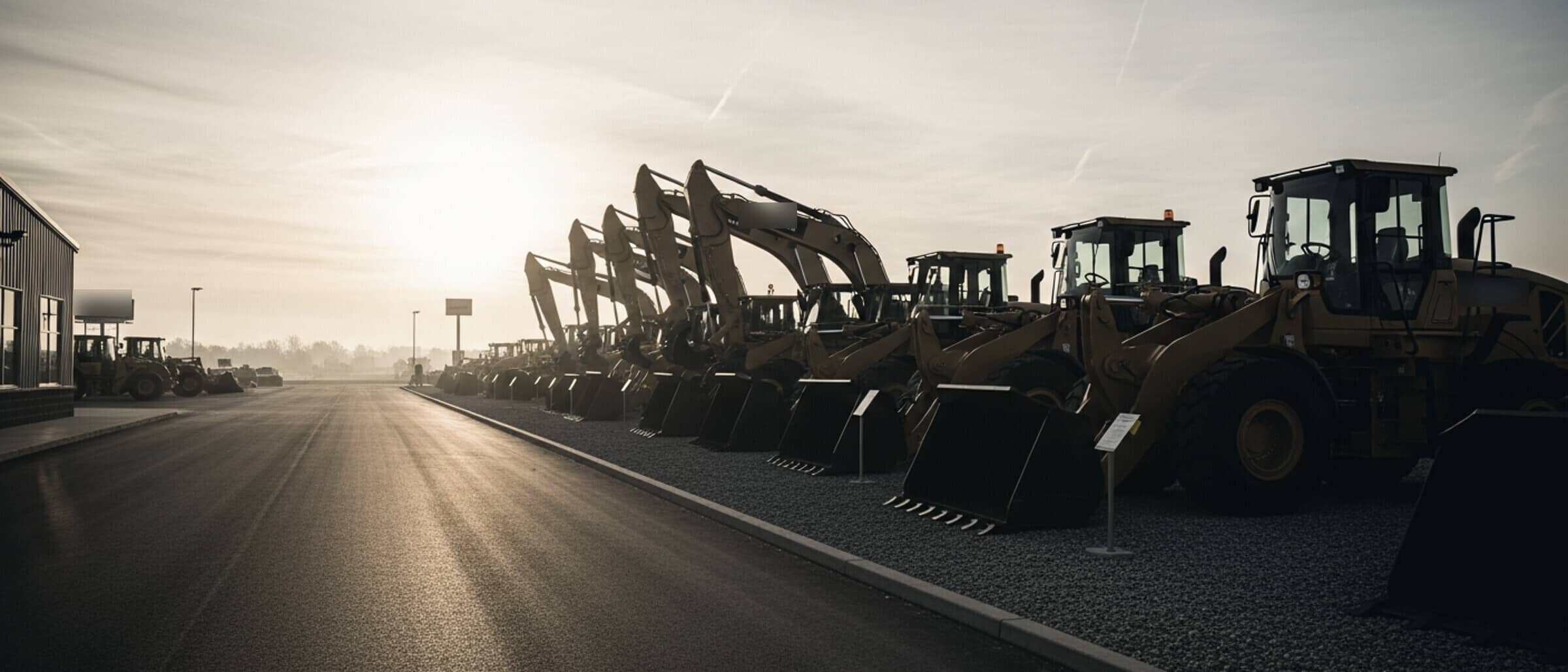
Overview
How vendor financing works
Most commercial equipment is not bought with cash. A dealer who quotes only a price leaves every buyer to go arrange money alone — and some of those buyers stall or go quiet. A vendor financing program keeps the money conversation inside the sale: quote the machine, quote the payment.
The mechanics are plain. Your buyer applies for financing on the equipment you are selling; the buyer's credit is what gets underwritten, not yours. When the deal funds, your invoice is paid and the buyer's payment schedule runs on their side. Your shop stays a seller of equipment — not a carrier of receivables.
Programs are shaped around the equipment line: ticket size, new versus used mix, and the industries you sell into. Setup, documentation flow, and program economics are discussed directly — the right structure depends on how you actually sell.
Process
Step by step
Set up the program
Walk through your equipment line, typical ticket size, and buyer profile. The documentation flow gets agreed up front, so deals do not improvise later.
Quote with a payment
Alongside the cash price, hand the buyer a financing path. A monthly number gives a $400,000 machine a place in the buyer's budget.
The buyer applies
Underwriting looks at the buyer: credit profile, time in business, financials on larger deals. Your part of the file is the quote, the specs, and the invoice.
Deliver and get paid
When documents are signed and funding conditions are met, the invoice is paid and the buyer's schedule begins. You are out of the transaction; the buyer is in the equipment.
Good fit
When it makes sense
- Your average ticket is large enough that most buyers finance it rather than write a check.
- Deals stall between the quote and the purchase order while buyers hunt for money.
- You want the invoice paid at funding instead of carrying terms on your own balance sheet.
- Buyers keep asking who finances this kind of equipment — and today you send them away to find out.
- You sell income-producing equipment with a real resale market: construction, transportation, manufacturing, agriculture.
Eyes open
Worth weighing
- Financing adds a third party and an approval to your sale. A declined application can still cost the deal — a program widens the funnel, it does not remove credit standards.
- Your sales team has to learn the mechanics: documentation, funding conditions, what underwriting will ask for. Budget the training time.
- Payment timing follows the financing calendar — signed documents and satisfied conditions — not your invoice date.
- Buyers still compare. Your financing option sits next to the buyer's own bank, and it has to stand up on paper.
Questions
Asked and answered
Run the numbers. Then decide.
The calculators and the eligibility check show results on the page — no email required, no contact details collected. When the structure makes sense, the application asks for the equipment, the amount, and your timeline. Terms arrive in writing before anything is owed.