Equipment Financing
The common route for tractors and harvest machinery an operation will run for many seasons.
Industries · Agriculture
Farm machinery works in weeks and gets paid for in seasons. Financing in agriculture is built around that calendar.
The work
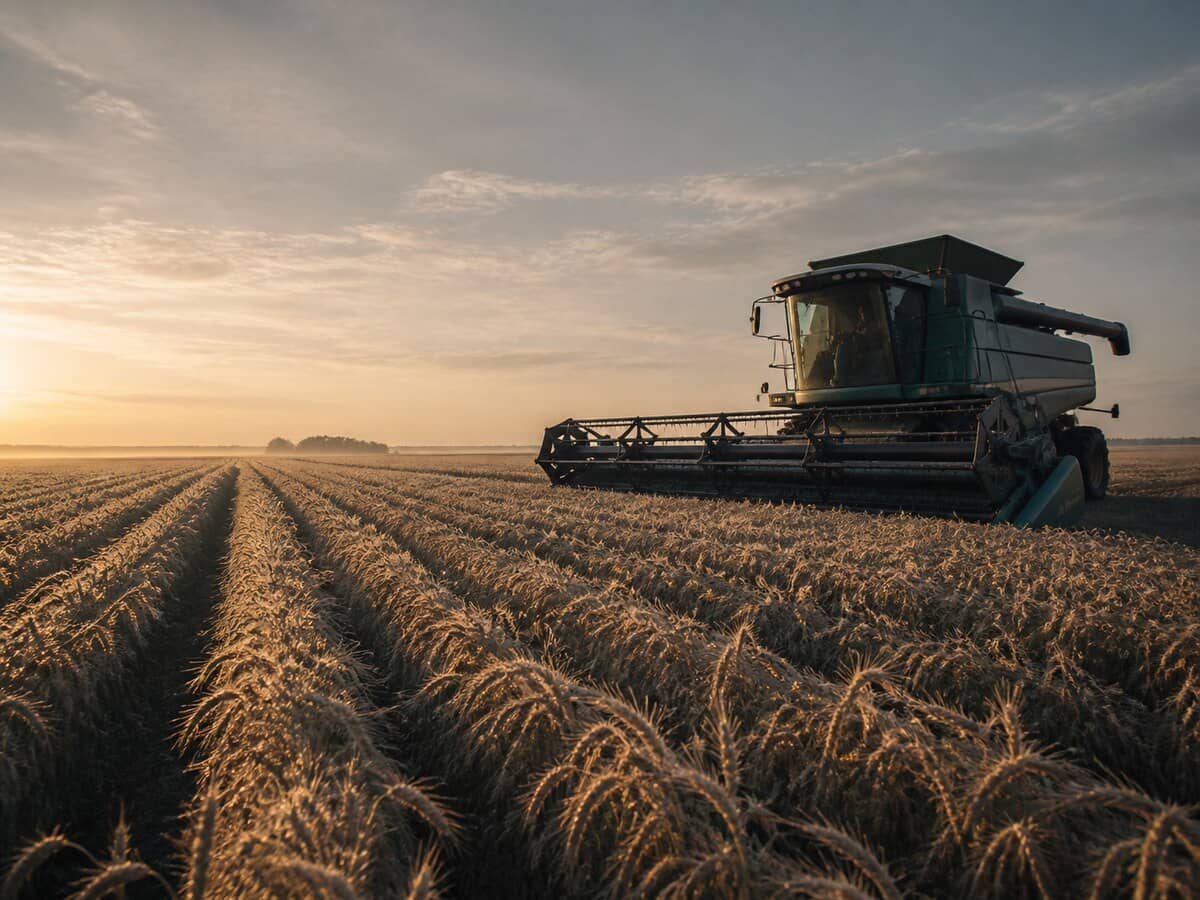
Farming concentrates a year of revenue into a few short windows of fieldwork. A combine runs hard for harvest and then waits; a tractor works year-round; a milking system runs twice a day without holidays. The machinery that does this is a major capital purchase by any standard, and it moves through a deep dealer, trade-in, and auction network that makes used equipment a normal part of how operations upgrade.
Financing structures for agricultural equipment include term loans on tractors and harvest machinery, leases on technology-driven equipment, and sale-leasebacks on machines an operation already owns. Payment schedules shaped around the crop calendar — annual or semi-annual payments timed to harvest revenue — are an established practice in agricultural lending, subject to the lender and the operation. Reviews typically read production history and annual cycles alongside the standard financials.
Eligible equipment
Structures
The common route for tractors and harvest machinery an operation will run for many seasons.
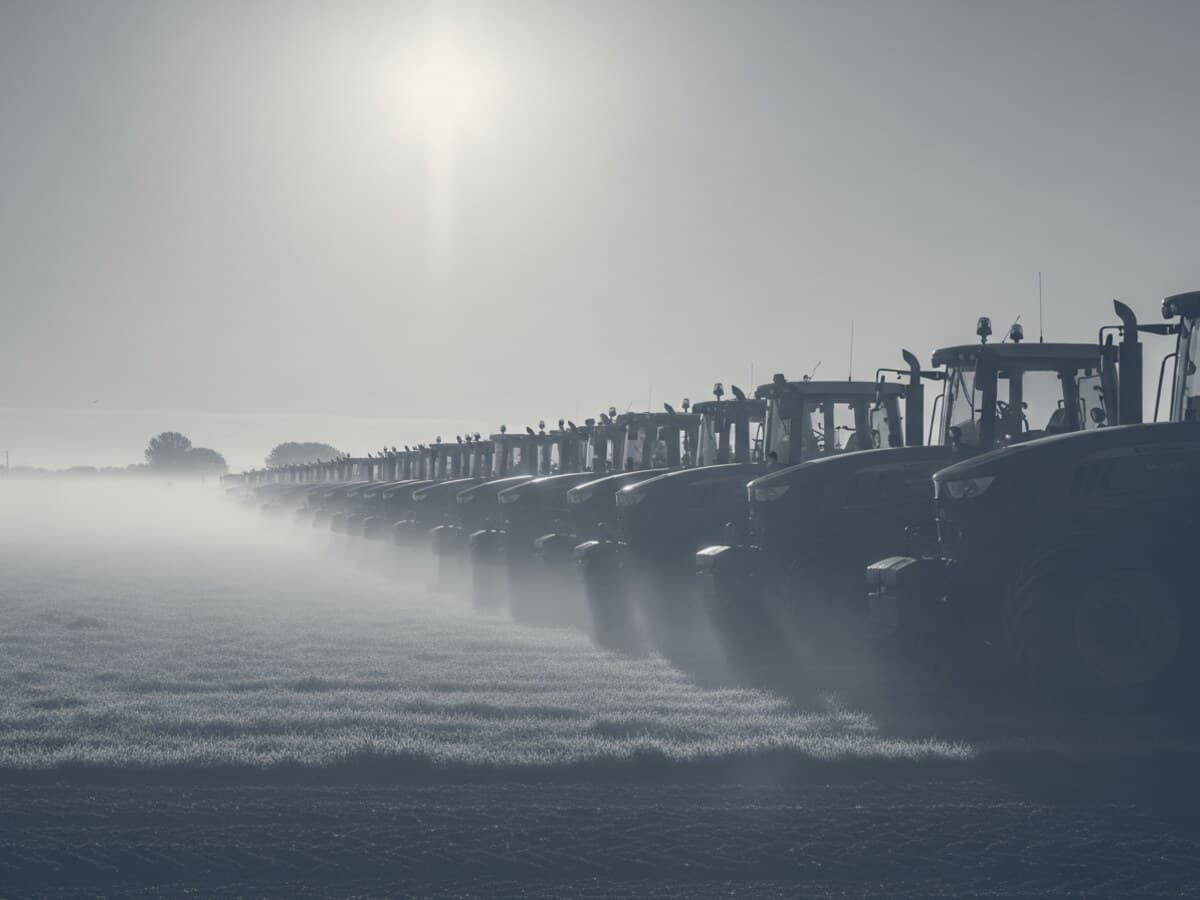
Fits equipment tied to fast-moving precision technology, such as sprayers and application systems.
Turns owned machinery into working capital between harvests without idling it.
Qualification
Descriptive, not a promise — factors and weightings vary by file.
Checklist
Questions
Related industries
The calculators and the eligibility check show results on the page — no email required, no contact details collected. When the structure makes sense, the application asks for the equipment, the amount, and your timeline. Terms arrive in writing before anything is owed.