Equipment Financing
The usual route for a kitchen package an operator plans to own outright.
Industries · Restaurant
A commercial kitchen is a production line with a dinner rush. Financing gets the line built — hood, walk-in, ranges — without draining the cash that carries the first slow months.
The work
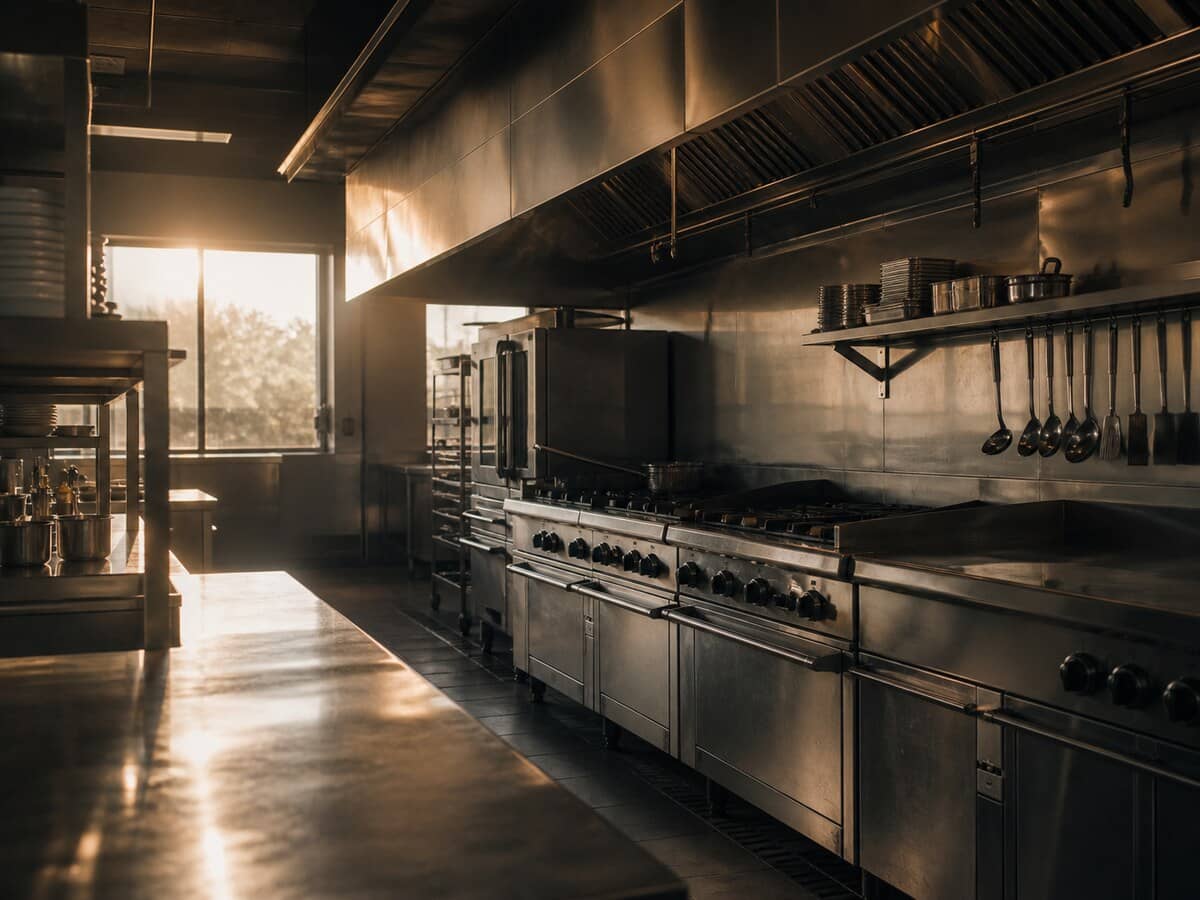
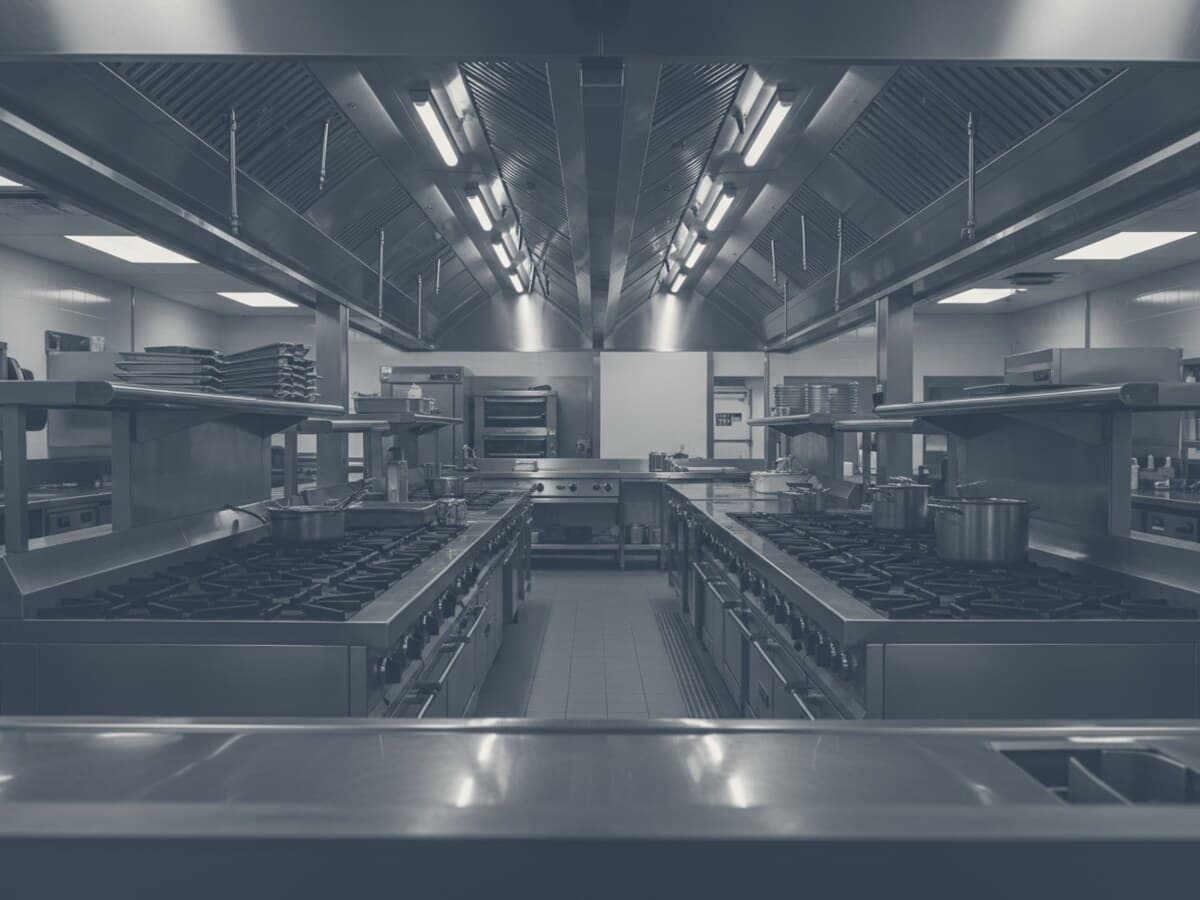
Restaurant equipment works hard and fails loudly. Ranges, fryers, and dish machines run every service; a walk-in cooler runs around the clock; a dead compressor is an emergency, not a line item. Kitchens are also built as systems — the hood, the fire suppression, the gas lines, and the equipment under them are planned and installed together — which is why equipment spending clusters around openings, remodels, and expansions.
Financing structures for restaurant equipment include term loans on kitchen packages, leases on hard-duty-cycle items, and structures sized for multi-unit buildouts. Many requests in this category come from locations that have not opened yet, so reviews of newer operations typically lean on the owners' restaurant experience, personal financials, the location lease, and the buildout plan alongside whatever operating history exists.
Eligible equipment
Structures
The usual route for a kitchen package an operator plans to own outright.
Fits hard-duty-cycle equipment — dish machines, espresso machines — often replaced on a schedule.
For multi-unit rollouts and full buildouts priced well beyond a single kitchen.
Qualification
Descriptive, not a promise — factors and weightings vary by file.
Checklist
Questions
Related industries
The calculators and the eligibility check show results on the page — no email required, no contact details collected. When the structure makes sense, the application asks for the equipment, the amount, and your timeline. Terms arrive in writing before anything is owed.